
DRY NEEDLING by FRSc – Module II
2 650,00 zł
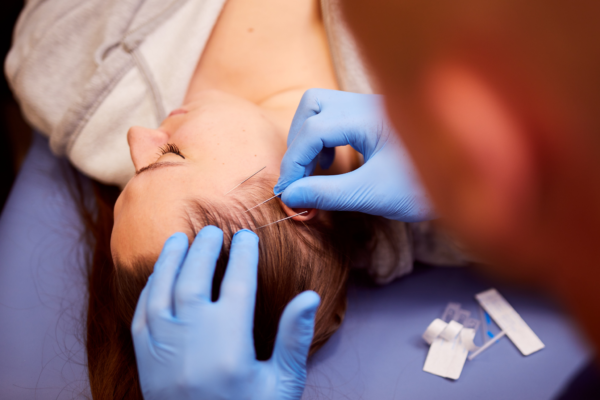
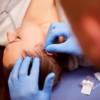
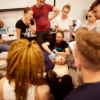
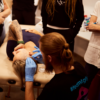
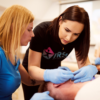
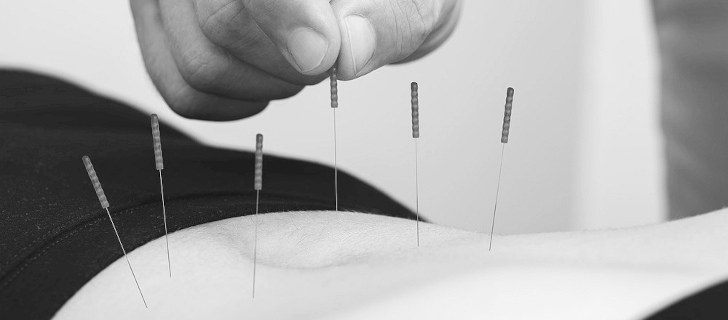
The second module of the DRY NEEDLING course according to FRSc, presenting an innovative Polish method of using the so-called "dry needling" in the treatment of musculoskeletal problems and more.
The second course module of DRY NEEDLING by FRSc, presenting an innovative Polish method of using the so-called "dry needling" in the treatment of musculoskeletal problems and more. What makes it unique among other needle methods?
The basis of the Dry Needling method lies in FRSc, a concept created by an orthopedic doctor Radosław Składowski, which logically distinguishes and differentiates several repetitive pathomechanisms that cause diseases, limitations and pain. In its procedure, FRSc assumes finding the root causes of the problem with which the patient comes to us, and therapy aimed not at the symptoms, but at the direct cause of these.
What makes our course different?
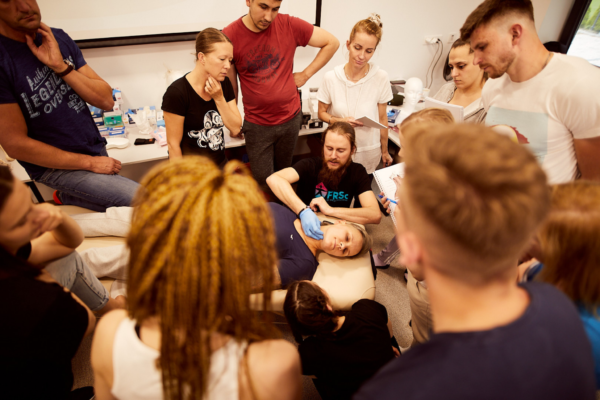
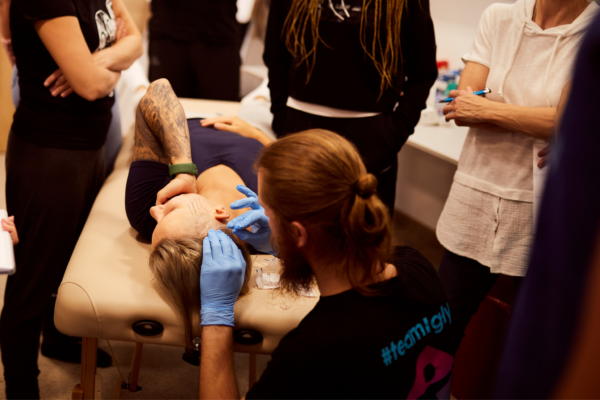
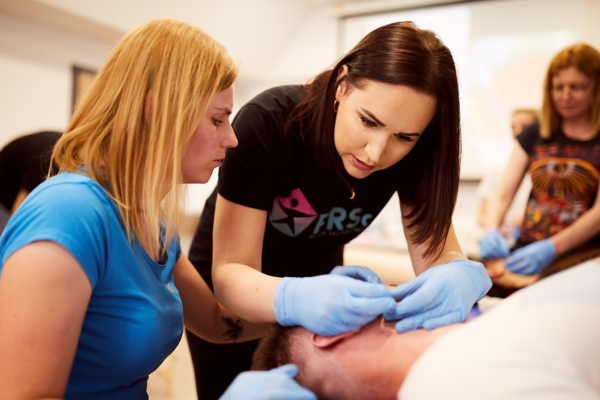
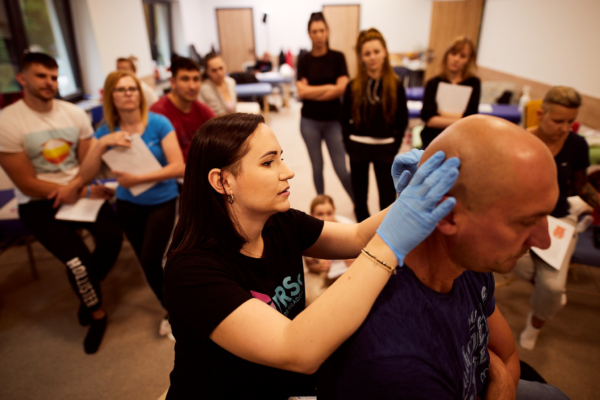
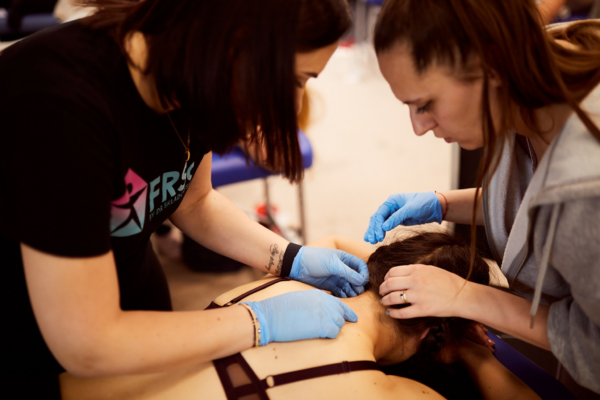
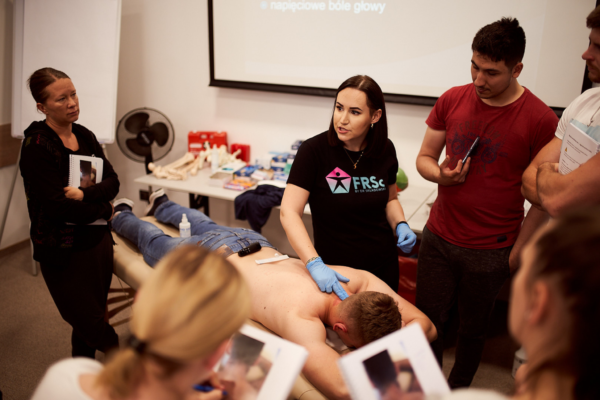
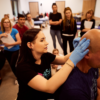
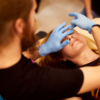
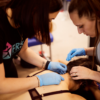
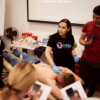
- we introduce you to the world of FRSc, interspersing the lecture with a practical part, which will allow you to understand the assumptions of the method and facilitate work in the office from the first day after returning from the course,
- we don't just teach you to prick - this course teaches you to think and look for the causes of disorders, and not just stick needles into painful places,
- we work on locations that are completely unjustly omitted in needle therapy by many (e.g. meniscus, symphysis disc and many others), because they are often the cause of the ailments with which the patient comes to us,
- wherever we can use a manual technique instead of a needle - you will get it from us, even though it goes beyond the dry needling course program,
- we put a lot of emphasis on various "lifehacks" - we share our experiences on how to work safely, effectively and without complications (and if any appear, how to deal with them),
- The course consists of two modules:
- the first discusses FRSc theory with practical references and hands-on learning of basic applications,
- you can do the second module after gaining experience and getting used to it, and you will learn advanced application techniques
For who?
We invite physiotherapy students (min. 4 rok studiów) i przedstawicieli zawodów medycznych: lekarz, lekarz dentysta, fizjoterapeuta, pielęgniarka, położna, ratownik medyczny, technik masażysta, osteopata, technik ortopeda.
Do you work in another medical profession? Contact us!
Contraindications
- significant, uncorrectable vision defects
- impaired motor coordination (the course requires high precision)
If you have a disability declaration, we recommend an individual consultation. In case of any other doubts too.
09:00 – 09:45
Opening, discussion of organizational issues, introduction of Participants and Instructors
09:45 – 10:30
Przypomnienie i utrwalenie wiadomości z modułu I. Terapia bólu przewlekłego i zespołów mięśniowo-powięziowych u seniorów jako element utrzymania ich aktywności społecznej i zawodowej.
10:30 – 10:45
Break
10:45 – 11:30
Chain - Rest
11:30 – 12:15
Łańcuch Wsparcie
12:15 – 12:30
Break
12:30 – 13:15
Dysk stawu mostkowo-obojczykowego, przejście brzuśca w ścięgno-nadgrzebieniowy, podgrzebieniowy
13:15 – 14:00
„Języczek uwagi”, podłopatkowy, najszerszy grzbietu, obrąbek
14:00 – 15:00
Break
15:00 – 15:45
Ramienny, torebka stawowa
15:45 – 16:30
Pseudocieśń (nawrotny obły, zginacze palców)
16:30 – 16:45
Break
16:45 – 17:30
Nawrotny czworoboczny, więzadło poprzeczne nadgarstka
17:30 – 18:15
Palec zatrzaskujący, „smartfonowy” kciuk
09:00 – 09:45
Mięśnie wielodzielne
09:45 – 10:30
Część wstępująca czworobocznego grzbietu
10:30 – 10:45
Break
10:45 – 11:30
Czworoboczny lędźwi
11:30 – 12:15
Więzadła miednicy, spojenie łonowe
12:15 – 12:30
Break
12:30 – 13:15
Więzadło biodorowo-udowe
13:15 – 14:00
Czworoboczny uda
14:00 – 15:00
Break
15:00 – 15:45
Kolano skoczka, punkt maziówkowy
15:45 – 16:30
Łąkotka przyśrodkowa, podkolanowy
16:30 – 16:45
Break
16:45 – 17:30
Piszczelowy przedni, więzadła antypronacyjne, antysupinacyjne
17:30 – 18:15
Nadguzia, przywodziciel palucha
09:00 – 09:45
Bóle głowy wg FRSc cz. 1
09:45 – 10:30
Bóle głowy wg FRSc cz. 2.
10:30 – 10:45
Break
10:45 – 11:30
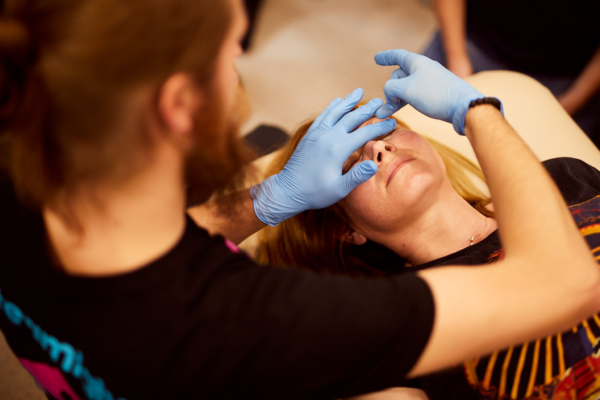
Pęczki oczodołu, skroniowy
11:30 – 12:15
Skrzydłowy boczny, żwacz
12:15 – 12:30
Break
12:30 – 13:15
Szew skroniowo-jarzmowy, algodystrofia m. trójdzielnego, m. naczaszny
13:15 – 14:00
DN w terapii zatok, mobilizacja kości nosa
14:00 – 14:45
Podsumowanie szkolenia, Q&A
14:45 – 15:00
ZAKOŃCZENIE KURSU
Uzyskaj unijne wsparcie …
… i płać nawet 50% mniej za szkolenia!
Nieważne czy masz 18, 35 czy 58 lat!
Dzięki dofinansowaniu z Unii Europejskiej, możesz skorzystać z nieoprocentowanej „Pożyczki na kształcenie” – bez prowizji, bez dodatkowych kosztów, a na koniec – uzyskać nawet 50% umorzenia!
Nie zwlekaj i skorzystaj już dziś – ilość środków jest ograniczona!


Reviews
There are no reviews yet.